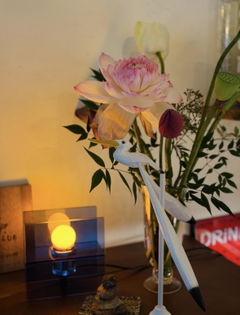



The Ultimate Lamp Guide
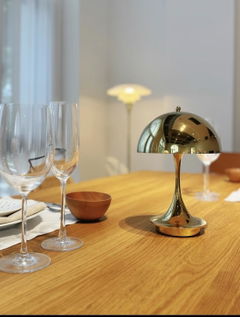
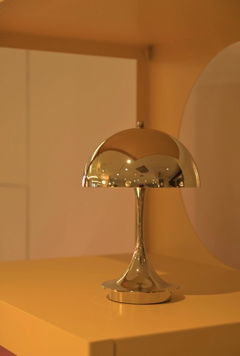
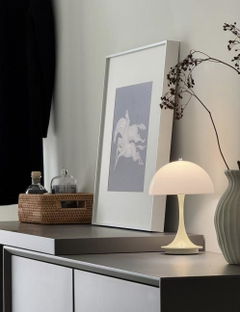
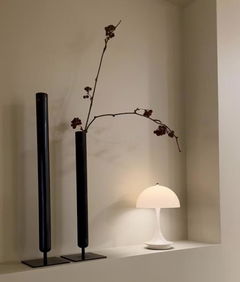
From cozy corners to statement pieces, discover lighting designs that transform the way your home feels.

Extra $30 Off Garreau Collection
Christmas in July is the perfect excuse to glow up your home. Discover Garreau — sculptural globe lighting with warm ambient glow and retro Bauhaus charm. Enjoy Extra $30 Off for a limited time.
New Arrivals


Vendor: Homezee
Type:
Mia Space Age Egg Orange Table Lamp


Vendor: Homezee
Type:
Akita Willow Rice Paper Floor Lamp


Vendor: Homezee
Type:
Radiohus Portable LED Rechargeable Table Lamp - Touch Control


Vendor: Homezee
Type:
Nelson Silk Petal Bubble Japandi Pendant Light


Vendor: Homezee
Type:
Garreau Globe Bauhaus Floor-to-Ceiling Lamp Duo- Replica 70s‘ Design


Vendor: Homezee
Type:
Akita Oval Rice Paper Japandi Pendant Light


Vendor: Homezee
Type:
Nordic Bauhaus Pumpkin Table Lamp Retro - Touch Dimmable


Vendor: Homezee
Type:
Akita Oblong Rice Paper Japandi Pendant Light


Vendor: Homezee
Type:
Nabila Portable Rechargeable Table Lamp - Touch Control


Vendor: Homezee
Type:
Akita Rice Paper Gourd Floor Lamp


Vendor: Homezee
Type:
Guzzi Sunset Ocean Horizon Table Lamp Acrylic


Vendor: Homezee
Type:
Guzzi Sunset Hourglass Horizon Table Lamp
Best Sellers
Homezee, we specialize incurated, retro-inspired lightingthat transforms any room into a cozy, inviting sanctuary.

Shop this look

Coby+ Mushroom Floor Bauhaus Lamp & Pull Chain Lamp

Shop this look

Nelson Bubble Saucer Criss Cross Retro Pendant Light

Shop this look

Coby Grand Arc Floor Lamp With Optional Side Table

Shop this look

Nordic Bauhaus Pumpkin Table Lamp Retro - Touch Dimmable

Shop this look

Sneedville+ Arched Floor Lamp Chrome Arc XL Shade

Shop this look

Coby Double Dome Retro Mushroom Floor Lamp

Shop this look

Coby Double Dome Mushroom Table Lamp

Shop this look

Shop by Style


Vendor: Homezee
Type:
Sneedville+ Arched Floor Lamp Chrome Arc XL Shade


Vendor: Homezee
Type:
Coby Grand Arc Floor Lamp With Optional Side Table


Vendor: Homezee
Type:
Coby Arc Floor Lamp with Table & Coby+ Mid Century Table Lamp Set


Vendor: Homezee
Type:
Bella Arc Floor Lamp Glass Shade Bauhaus Minimalist

Vendor: Homezee
Type:
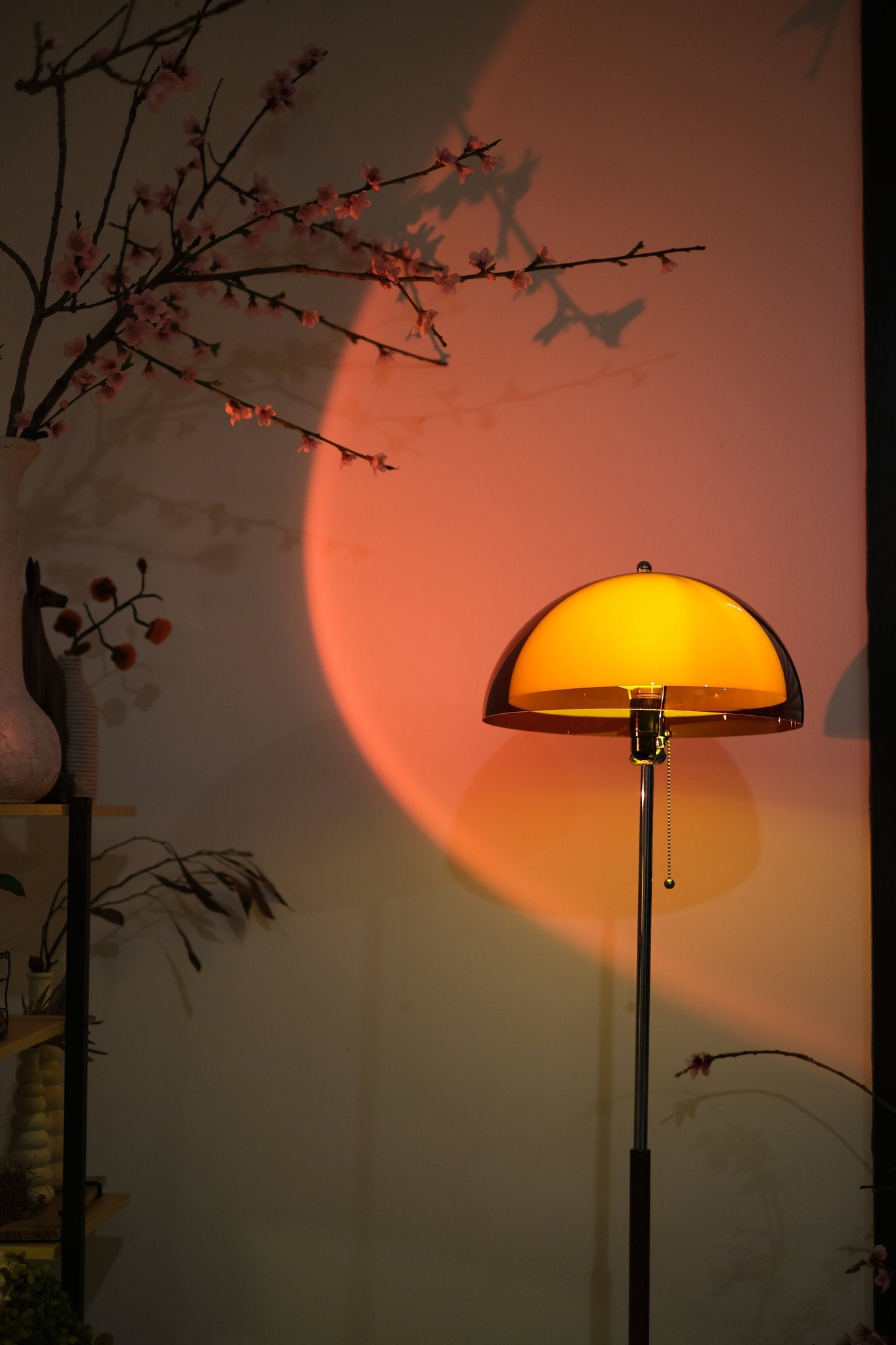
Coby+ Mushroom Floor Bauhaus Lamp & Pull Chain Lamp


Vendor: Homezee
Type:
Olivia Mushroom Table & Floor Lamp Set - Orange Lamps (Pre-order-Eta 5 weeks)


Vendor: Homezee
Type:
Dori Drop Wavy Mushroom Floor Lamp - Mocha/Olive Green/Butter Yellow


Vendor: Homezee
Type:
Luca Bauhaus Candle Warmer Table Lamp


Vendor: Homezee
Type:
Coby Double Shade Mushroom Arc Floor Lamp with Table Optional
Vendor: Homezee
Type:
Coby Grand Arc Floor Lamp With Optional Side Table


Vendor: Homezee
Type:
Carla Arc Floor Lamp with Side Table Glass Shade
Vendor: Homezee
Type:
Coby Arc Floor Lamp with Table & Coby+ Mid Century Table Lamp Set


Vendor: Homezee
Type:
Garreau Globe Bauhaus Floor-to-Ceiling Lamp - Replica 70s‘ Design
Vendor: Homezee
Type:
Guzzi Sunset Hourglass Horizon Table Lamp


Vendor: Homezee
Type:
Garreau Single Globe Bauhaus Table Lamp - Warm Ambient Glow


Vendor: Homezee
Type:
Garreau Two Globe Bauhaus Floor Lamp - Replica 70s‘ Design


Vendor: Homezee
Type:
Carla Floor Lamp & Olivia Table Lamp Set


Vendor: Homezee
Type:
Suki Chinoiserie Arc Floor Lamp - Hemp Fabric Shade


Vendor: Homezee
Type:
Hulusi Hanging Arc Floor Lamp Walnut Orange Glass


Vendor: Homezee
Type:
Every Egg Tart Floor Lamp & Table Lamp Set ( Pre-order, eta 3 weeks)
Vendor: Homezee
Type:
Every Egg Tart Floor Lamp & Table Lamp Set ( Pre-order, eta 3 weeks)


Vendor: Homezee
Type:
Coby Arc Floor Lamp Chrome & Wood Grain


Vendor: Homezee
Type:
Fazzoletto Floating Handkerchief Floor & Table Lamp Set


Vendor: Homezee
Type:
Olivia Bell Pull Chain Table Lamp for Bedside - Gradient Glass
Vendor: Homezee
Type:
Akita Willow Rice Paper Floor Lamp


Vendor: Homezee
Type:
Akita Polygon Rice Paper Tripod Floor Lamp


Vendor: Homezee
Type:
Akita Rice Paper Square Table Lamp


Vendor: Homezee
Type:
Akita Wavy Rice Paper Floor Lamp


Shop by Material
Looking for that perfect lamp to add warmth, character, and a touch of nostalgia to your space?


Preorder & Save
Pre-order now for 30% off — cancel anytime before your order ships.


Vendor: Homezee
Type:
Dopino Candy Color Mushroom Rechargeable Table Lamp


Vendor: Homezee
Type:
Guzzi Acrylic Moon Layered Table Lamp


Vendor: Homezee
Type:
Lampara Ovni Ufo Portable Rechargeable Table Lamp - Touch Control


Vendor: Homezee
Type:
Fresnel Lens Industrial Table Lamp


Vendor: Homezee
Type:
Guzzi Sunset Interactive Gradient Light (Wall Light/ Table Lamp)


Vendor: Homezee
Type:
Polsen Multi-Tiered Pendant Light
A Cohesive Look, Better Value
Create a well-balanced space with matching floor and table lamps, bundled for better value.


Vendor: Homezee
Type:
Coby+ Double Dome Floor Lamp & Table Lamp Set


Vendor: Homezee
Type:
Coby Double Shade Mushroom Table and Floor Lamp Set


Vendor: Homezee
Type:
Zen Art Japandi Floor Lamp Pleated Fabric Shade
Vendor: Homezee
Type:
Every Egg Tart Floor Lamp & Table Lamp Set ( Pre-order, eta 3 weeks)


Vendor: Homezee
Type:
Morgan Japandi Wooden Table Lamp Touch Control Type-C Charging
Vendor: Homezee
Type:
Coby Arc Floor Lamp with Table & Coby+ Mid Century Table Lamp Set


Vendor: Homezee
Type:
Coby Arc Floor Lamp & Coby+ Table Lamp Set without Shelf (Pre-order, eta 3 weeks)
Vendor: Homezee
Type:
Carla Floor Lamp & Olivia Table Lamp Set
Loved by Our Customers.

★★★★★
“The paper shade is surprisingly sturdy – survived a clumsy bump from my toddler. Love the soft light.”
★★★★★
“The paper shade is surprisingly sturdy – survived a clumsy bump from my toddler. Love the soft light.”
Flora G
Vendor: Homezee
Type:
Akita Wavy Rice Paper Floor Lamp

★★★★★
“The lamp is so lightweight that I can move it from room to room easily. The paper stays clean.”
★★★★★
“The lamp is so lightweight that I can move it from room to room easily. The paper stays clean.”
Jade T
Example product title

★★★★★
“I was worried it might be too bold, but it fits perfectly and feels timeless.”
★★★★★
“I was worried it might be too bold, but it fits perfectly and feels timeless.”
Vendor: Homezee
Type:
Luca Bauhaus Candle Warmer Table Lamp

★★★★★
“Instantly made my home feel warmer.”
★★★★★
“Instantly made my home feel warmer.”
Vendor: Homezee
Type:
Hulusi Hanging Arc Floor Lamp Walnut Orange Glass

★★★★★
“Looks even better in real life. The glow is so warm and cozy.”
★★★★★
“Looks even better in real life. The glow is so warm and cozy.”


Vendor: Homezee
Type:
Coby Double Dome Retro Mushroom Floor Lamp

★★★★★
“Solid quality and stunning design. Everyone who visits notices it.”
★★★★★
“Solid quality and stunning design. Everyone who visits notices it.”


Vendor: Homezee
Type:
Every Egg Tart Table Lamp

★★★★★
“Didn’t expect it to make such a big difference — my room feels completely transformed.”
★★★★★
“Didn’t expect it to make such a big difference — my room feels completely transformed.”
Vendor: Homezee
Type:
Carla Arc Floor Lamp with Side Table Glass Shade

★★★★★
“It completely changed my living room. So cozy and stylish.”
★★★★★
“It completely changed my living room. So cozy and stylish.”


Vendor: Homezee
Type:
Garreau Single Globe Bauhaus Floor Lamp - Replica 70s‘ Design

★★★★★
“The photos don’t do it justice. It’s beautiful, warm, and very well made.”
★★★★★
“The photos don’t do it justice. It’s beautiful, warm, and very well made.”
Vendor: Homezee
Type:
Sneedville+ Arched Floor Lamp Chrome Arc XL Shade
Let customers speak for us
Gorgeous lamp– perfect for adding a modern touch to my workspace.
This compact little lamp fits perfectly on my nightstand and gives off such a warm, calming glow.
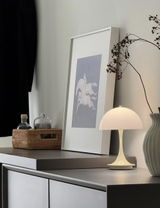
Love the clean white look.
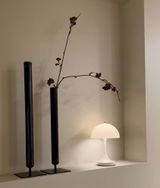
Pure white minimalist lamp – great for my bedside.
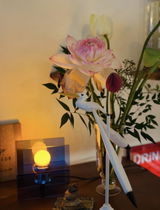
“Perfect for my desk – it’s small but makes a big visual impact.
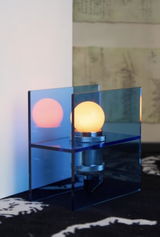
This little lamp is a conversation starter. The way the light refracts through the sheets is mesmerising.
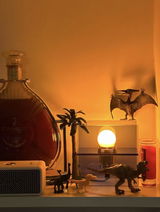
It adds a modern, almost ethereal vibe to my workspace.
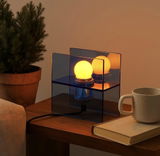
The layered acrylic sheets create such a dreamy light effect – like a glowing sculpture on my desk.
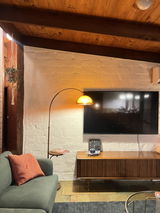
Such a beautiful lamp! Projects a great warm light and creates a beautiful vibe
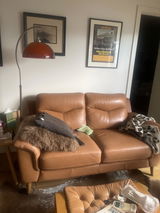
Beautiful in my space
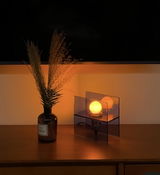
The amber glass gives such a warm, vintage glow. It’s become my favourite evening lamp.
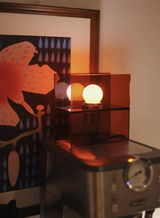
The glass diffuses light so evenly – no harsh spots. Perfect for our bedroom.
The glass shade has a beautiful subtle ripple – feels very premium.
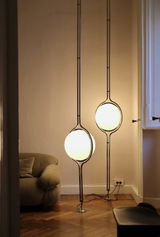
The lamp arrived in perfect condition and looks exactly like the photos. Very pleased.
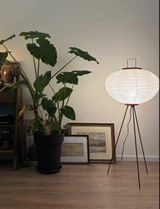
Even during the day, this paper lamp looks like a sculpture. Such a peaceful presence.
Blog posts

Sunset Lamp Ideas for Small Apartments
Living in a small apartment doesn’t mean you have to sacrifice style, comfort, or atmosphere. Sometimes, one simple lighting change can completely transform how your home feels. A sunset lamp is one of those small additions that can make a bedroom, living room, or reading corner feel warmer, calmer, and much more personal. Unlike traditional lighting that only focuses on brightness, sunset lamps are designed to create a mood. Their soft orange and golden tones mimic the feeling of a beautiful evening sky, helping your apartment feel more relaxing after a busy day. Whether you live in a studio apartment, a rental unit, or a compact city home, a sunset lamp can add personality without taking up much space. Here are some creative sunset lamp ideas to make your small apartment feel bigger, warmer, and more inviting. Why Sunset Lamps Are Perfect for Small Apartments Small apartments often have one common problem: they can feel a little flat. A single ceiling light usually creates strong shadows and makes the room feel less comfortable. Adding different layers of lighting can create more depth and make a small space feel thoughtfully designed. A sunset lamp works especially well because it provides: A Warm and Relaxing Atmosphere The biggest advantage of a sunset lamp is its cozy glow. The warm orange light creates a calming environment that feels perfect for evenings, movie nights, reading, or simply relaxing on the sofa. After a long day, switching from bright overhead lighting to a softer sunset glow can instantly change the mood of your apartment. A Stylish Decoration Without Cluttering Your Space When space is limited, every piece of furniture matters. Large decorations can make a small apartment feel crowded, but a compact sunset lamp adds visual interest without taking up much room. Place it on a bedside table, bookshelf, desk, or side cabinet, and it becomes both a lighting solution and a decorative feature. An Affordable Apartment Makeover You don’t always need new furniture or a complete renovation to refresh your home. Lighting is one of the easiest ways to upgrade your interior style. A simple lamp can change the atmosphere of an entire room. For more ideas on making small spaces brighter and more comfortable, you can also explore Homezee’s guide on 7 Lighting Hacks for Apartment Living, which shares practical ways to use lighting to create a more inviting apartment. 1. Create a Cozy Sunset Bedroom Corner Your bedroom is probably the best place for a sunset lamp. Small bedrooms can sometimes feel plain, especially when they rely only on one ceiling light. Try placing a sunset lamp on your bedside table or a small shelf near your bed. The warm glow creates a relaxing atmosphere and gives your room a boutique hotel feeling. Pair it with: Neutral bedding Soft blankets Wooden furniture Warm-toned decorations Indoor plants The result is a peaceful space where you actually want to spend time. 2. Turn a Small Living Room Into a Relaxing Lounge A compact living room doesn’t need many decorations. The right lighting placement can make a bigger difference than adding more furniture. Place a sunset lamp near: Your sofa corner A small coffee table A bookshelf A plant stand The light creates a comfortable focal point and helps define different areas in an open-plan apartment. Instead of one bright ceiling light covering the whole room, use layered lighting with different heights and positions. This makes the apartment feel more dynamic and spacious. 3. Build a Minimalist Desk Setup Many apartment residents now work from home, but small desks can easily feel boring. A sunset lamp can instantly make your workspace more inspiring. Place one beside your monitor, books, or laptop area. During the evening, the warm glow creates a softer working environment and makes your desk look more stylish. For a modern minimalist setup, combine: A simple wooden desk A neutral chair A small plant A sunset lamp with warm tones It creates a cozy workspace without overwhelming your room. 4. Use a Sunset Lamp for Small Apartment Photography Sunset lamps have become popular because they create beautiful lighting effects for photos and videos. If you enjoy taking pictures of your home, creating social media content, or simply capturing everyday moments, a sunset lamp can add: Warm shadows Golden backgrounds Artistic wall effects A relaxing atmosphere Even a simple corner of your apartment can look completely different with the right lighting. 5. Combine Sunset Lamps With Other Lighting Styles A sunset lamp works best when combined with other types of lighting instead of being your only light source. A balanced small apartment lighting setup could include: Main lighting: A ceiling light for general brightness. Task lighting: A desk lamp or reading lamp for focused activities. Accent lighting: A sunset lamp to create atmosphere. This layered approach helps your apartment feel more comfortable and professionally designed. 6. Add a Sunset Lamp to Unexpected Places You don’t have to limit sunset lamps to bedrooms or living rooms. Try using one in: A Small Entryway Create a warm welcome when you walk through the door. A Reading Corner Make a tiny corner feel like your personal escape. A Dressing Area Add soft lighting for a more relaxing morning routine. A Balcony or Indoor Plant Area Combine warm light with greenery for a cozy natural feeling. Small details like these can make your apartment feel more like home. 7. Choose the Right Sunset Lamp Style for Your Apartment Not every sunset lamp creates the same feeling. Consider your existing interior style. Modern Apartment Choose simple designs with clean shapes and minimal details. Scandinavian Style Pair soft sunset lighting with light wood, beige tones, and natural textures. Vintage Interior Look for lamps with artistic shapes and warm amber tones. Minimalist Home A small portable sunset lamp can add atmosphere without creating visual clutter. The key is choosing a lamp that matches your lifestyle, not just your decoration style. Final Thoughts: Small2 Lamp, Big Difference A small apartment doesn’t need expensive furniture or major renovations to feel beautiful. Sometimes, changing the lighting is enough to completely transform the atmosphere. A sunset lamp adds warmth, personality, and comfort while taking up very little space. Whether you want a relaxing bedroom, a cozy living room, or a stylish workspace, this simple lighting upgrade can help your apartment feel more like your own. Good lighting is not only about seeing better — it is about creating a space where you enjoy spending time. FAQs 1. What is a sunset lamp? A sunset lamp is a decorative light designed to project warm orange, red, or golden tones that imitate the appearance of a sunset. 2. Can a sunset lamp replace my main room light? Usually not. Sunset lamps are designed mainly for mood lighting and work best together with your main lighting. 3. Do sunset lamps use a lot of electricity? Most modern sunset lamps use LED technology, which makes them energy-efficient for everyday use. 4. Are sunset lamps suitable for bedrooms? Yes. Their warm glow creates a relaxing environment that works well for bedrooms, especially during evening hours. 5. What colours do sunset lamps usually create? Most sunset lamps create warm orange, yellow, pink, red, or amber tones depending on the model.
Learn more
The Homezee Lamp Guide: Find the Perfect Light for Every Space
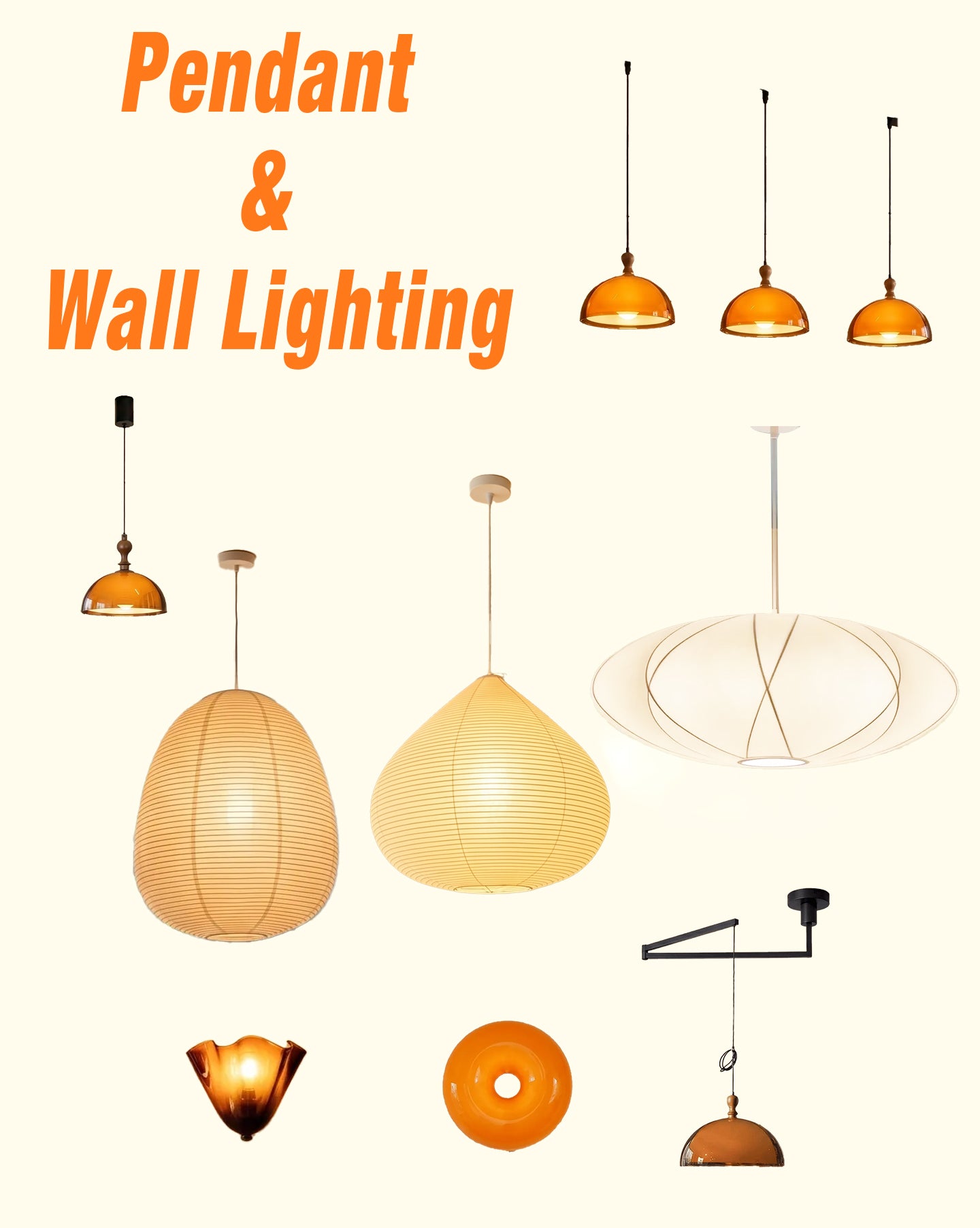
Lighting does more than brighten a room—it creates atmosphere, highlights your personal style, and makes every corner feel more inviting. At Homezee, we believe the right lamp should be both functional and beautiful, becoming a natural part of your everyday life. Whether you're decorating a new home, refreshing a single room, or searching for that one statement piece, this guide introduces our five most popular lighting collections. From timeless table lamps to sculptural Bauhaus designs, there's a Homezee lamp for every home and every mood. Table Lamps Everyday Lighting with Style Table lamps are among the most versatile lighting pieces in any home. They provide soft ambient lighting while doubling as decorative accents for bedside tables, desks, shelves, and sideboards. What You'll Find at Homezee Guzzi Sunset Hourglass Horizon Table Lamp Guzzi Sunset Ocean Horizon Table Lamp Acrylic Guzzi Acrylic Moon Layered Table Lamp Guzzi Sunset Interactive Gradient Light Best For Bedside lighting Reading corners Home offices Living room styling Console tables Discover more table lamps. Portable Lamps Flexible Lighting That Goes Anywhere Portable lamps give you complete freedom to light your space without being limited by power outlets. Whether you're entertaining outdoors, moving between rooms, or simply changing your décor, portable lighting offers convenience without sacrificing style. What You'll Find at Homezee Dopino Candy Color Mushroom Rechargeable Table Lamp Nesso Retro Donut Mushroom Table Lamp Radiohus Portable LED Rechargeable Table Lamp - Touch Control Lampara Ovni Ufo Portable Rechargeable Table Lamp - Touch Control Nabila Portable Rechargeable Table Lamp Why Customers Love Them Easy to move Wireless convenience Perfect for renters Great for balconies and patios Creates instant atmosphere anywhere Discover more portable lamps. Pendant & Wall Lights Elevate Your Space from Above Pendant and wall lighting do more than illuminate—they define the character of a room. Whether suspended above a dining table or mounted beside a bed, these fixtures create layers of light that make interiors feel thoughtfully designed. What You'll Find at Homezee Coby Triple Pendant Light - Bar-Mount 3 Light Pendant Coby Modern Pendant Lights Woodgrain Coby Swing Arm Double Dome Adjustable Pendant Light Coby Pull-Down Modern Pendant Light "Skirt Hem" American Retro Colorful Berry Glass Wall Sconce Perfect for: Dining rooms Kitchen islands Entryways Staircases Available in styles such as: Modern Scandinavian Retro Minimalist Sculptural Whether you're adding subtle mood lighting or highlighting artwork, wall lights help create a balanced and inviting home. Layering pendant, wall, and table lighting is one of the easiest ways to achieve a warm, designer-inspired interior. Discover more pendant & wall lights. Paper Lighting Soft Light, Timeless Warmth Paper lighting brings a calm, organic feel to modern interiors. Inspired by traditional Japanese craftsmanship and contemporary minimalist design, paper lamps gently diffuse light to create a peaceful atmosphere. What You'll Find at Homezee Akita Rice Paper Japandi Drop Pendant Light Akita Rice Paper Japandi Tilted Pendant Light Akita Rice Paper Japandi lantern Shaped Pendant Light Akita Rice Paper Gourd Floor Lamp Why Choose Paper Lighting? Soft, diffused glow Lightweight yet eye-catching Perfect for Japandi interiors Creates a relaxing ambience Timeless aesthetic that never feels overwhelming Best suited for bedrooms, living rooms, meditation spaces, and cosy reading corners. Discover more paper lighting. Bauhaus Lamps Where Art Meets Function Bauhaus lighting is one of Homezee's signature collections. Defined by geometric forms, balanced proportions, and timeless materials, these lamps transform everyday lighting into sculptural décor. Whether you're drawn to iconic mushroom lamps, chrome finishes, or bold globe designs, Bauhaus lighting offers a perfect blend of practicality and artistic expression. What You'll Find at Homezee Garreau Single Globe Bauhaus Table Lamp Garreau Two Globe Bauhaus Floor Lamp Garreau Trio Globe Bauhaus Floor Lamp Garreau Globe Bauhaus Floor-to-Ceiling Lamp Duo Perfect For Modern apartments Mid-century interiors Creative workspaces Design-focused living rooms Statement corners Many customers choose Bauhaus lamps not only for illumination but also as conversation-starting design pieces that instantly elevate a room. Discover more bauhaus lighting. Final Thoughts At Homezee, lighting is about more than brightness—it's about creating spaces that feel warm, welcoming, and uniquely yours. Whether you prefer timeless table lamps, versatile portable lights, elegant pendant lighting, calming paper lamps, or iconic Bauhaus designs, every collection is curated to help you build a home you'll love coming back to. Explore the Homezee collection and discover lighting that fits your style, your space, and the way you live.
Learn more
Homezee Garreau Globe Lamp Series | Modern Lighting for Australian Homes
Most lamps are boring. They sit in the corner. They give you light. And that's about it. You don't notice them, you don't think about them, and you definitely don't feel anything when you look at them. The Garreau Globe Lamp Series is not that. Designed with the modern Australian home in mind, the Garreau series brings together sculptural elegance, warm diffused light, and the kind of presence that makes a room feel complete. It's not just a lamp – it's a piece of the room. And in 2026, when more Australians are investing in their home environments than ever before, the Garreau Globe Lamp Series is exactly the kind of lighting that belongs in your space. Here's why. What Makes the Garreau Globe Lamp Different? The Garreau Globe Lamp Series isn't designed to blend in. It's designed to stand out – but quietly. It doesn't shout for attention. It just sits there, beautiful and intentional, making everything around it look better. The design: A perfect sphere of opal glass or warm-toned acrylic, suspended or mounted on a sleek base. The globe is the focal point – soft, glowing, and impossible to ignore. The materials: High-quality glass, powder-coated metal, and warm timber accents – depending on the variation. Each piece is built to last, not just for a season but for years. The light: Warm, diffused, and completely glare-free. The globe shape scatters light in every direction, creating an even, gentle glow that's easy on the eyes and flattering to everything it touches. The vibe: Modern but not cold. Minimal but not sterile. It's the kind of lamp that works in a sleek city apartment, a coastal beach house, or a suburban family home. For more on the magic of diffused lighting, check out our guide on why soft lighting heals your brain. Why the Globe Shape Works There's a reason spherical lamps have been popular for decades. It's not just about looks – it's about how they throw light. The science: A globe shape directs light in every direction at once. Upward, downward, sideways – it's all going somewhere. That means no harsh shadows, no dark spots, and no single source of glare. The feeling: The light feels like it's coming from everywhere and nowhere at once. It fills the room gently, wraps around furniture, and softens edges. It's the opposite of a spotlight – it's an all-over glow. The look: The globe is inherently sculptural. It draws the eye without demanding attention. It's modern but timeless, minimal but interesting. Whether you're placing it on a side table, a console, or as a floor lamp in the corner of your living room, the globe shape works everywhere. The Garreau Globe Lamp Series Variations The Garreau series includes multiple variations to suit different spaces and styles. The Table Lamp Perfect for side tables, consoles, and shelves. The globe rests on a sleek base – available in matte black, brushed brass, or warm timber. It's compact enough for small spaces but substantial enough to be noticed. The Floor Lamp Tall, elegant, and sculptural. The floor-standing version features the same globe shade on a slender metal or timber pole. It's ideal for corners, beside sofas, or as a statement piece in any room. Browse our collection of floor lamps for living room to see the full range. The Pendant LightSuspended from the ceiling, the Garreau globe pendant is a stunning alternative to traditional pendants. The light spills out in every direction, and the globe appears to float in midair. Perfect above dining tables, kitchen islands, or in entryways. The Wall SconceA half-globe that mounts to the wall, casting light upward and outward. It's a beautiful option for hallways, bedrooms, or flanking a mirror. Explore our range of lights on wall in bedroom and living areas to see similar designs. For more on choosing the right variation, our article on pendant lights vs ceiling lights covers the differences. Why the Garreau Series Works in Australian Homes Australian homes are different from homes in other parts of the world. We have more natural light, more open-plan living, and a preference for indoor-outdoor flow. The Garreau series fits because: The warm, diffused light complements our abundant natural light The sculptural shape works in open-plan spaces that need definition The neutral finishes (black, brass, timber) suit our coastal, Scandi, and modern aesthetics The quality materials hold up to our harsh sun and varied climate In short, the Garreau Globe Lamp Series is designed for how Australians actually live – not how someone on the other side of the world thinks we live. What Customers Are Saying Early reviews for the Garreau series have been overwhelmingly positive. Here's what people are saying: "It's the first thing everyone comments on when they walk into my living room. It's warm, beautiful, and it makes the whole space feel more intentional." – Sarah, Sydney "The globe shape is just perfect. The light it throws is completely different from any other lamp I've owned – it's so soft and flattering." – James, Melbourne "I bought the floor lamp for my office and the table lamp for my bedroom. They tie the whole house together. I'm probably getting the pendant next." – Mia, Brisbane Quick Checklist: Is the Garreau Globe Lamp Right for You? You need it if: You want a lamp that's beautiful when it's off and stunning when it's on You're looking for warm, diffused light that doesn't glare You want a statement piece that doesn't take over the room You appreciate quality materials and timeless design You might want something else if: You need direct, highly focused task lighting You prefer very traditional or ornate styles You're on a very tight budget (the Garreau is an investment piece The Bottom Line The Garreau Globe Lamp Series from Homezee is more than just a light. It's a design statement, a conversation starter, and a piece of art that happens to illuminate your home. It's warm, sculptural, and designed to fit the way Australians actually live. Whether you're lighting a living room, a bedroom, or an entryway, the Garreau series delivers. Ready to bring the Garreau Globe Lamp into your home? Explore the full collection at Homezee today. FAQs 1. What sizes are available in the Garreau Globe Lamp Series? The series includes small (20cm diameter), medium (30cm), and large (40cm) globe sizes across table lamps, floor lamps, pendants, and wall sconces. Check each product page for specific dimensions. 2. What bulbs does the Garreau Globe Lamp take? Most Garreau lamps take standard E27 or E14 LED bulbs. We recommend warm white (2700K) for the best light quality. Some variations come with integrated LED – check the product details. 3. Is the Garreau Globe Lamp dimmable? Yes, all Garreau lamps are compatible with dimmable bulbs. Some variations include built-in dimmers – check the product listing for details. We recommend using a dimmer switch or smart plug for full control. 4. What materials are used in the Garreau series? The Garreau series uses opal glass, powder-coated metal, and natural timber. Each lamp is built with high-quality, durable materials designed to last. 5. How do I clean the Garreau Globe Lamp? For glass globes, use a soft, dry microfiber cloth. For metal bases, a slightly damp cloth followed by a dry one. Avoid abrasive cleaners or harsh chemicals – they can damage the finish.
Learn more
How a Japandi Lamp Helps You Switch Off After Work
You know the feeling. You close your laptop. You push your chair in. You walk away from your desk. But your brain? Still there. Still running through that email. Still planning tomorrow's to-do list. Still thinking about what you should have said in that meeting. Work doesn't end just because you stop working. It lingers. It buzzes in the background like an app you can't quite close. But here's the thing. Your environment can help you close that app. And one of the most effective tools for doing that is a Japandi lamp. Japandi – the blend of Japanese minimalism and Scandinavian warmth – is having a serious moment in Australian homes in 2026. And for good reason. The design philosophy is built around calm, simplicity, and intentionality. Exactly what you need when you're trying to leave the workday behind. Let's talk about how a Japandi lamp can help you switch off – and why it's more than just a nice-looking light. What Is Japandi Lighting? Japandi isn't just about furniture. It's a philosophy. It combines the clean lines and minimalism of Japanese design with the warmth, texture, and coziness (hygge) of Scandinavian interiors. The result? Spaces that feel calm, uncluttered, and deeply human. In lighting, Japandi means: Natural materials – timber, bamboo, paper, linen Warm, diffused light – never harsh or glaring Simple, sculptural shapes – functional art Soft, neutral tones – beige, taupe, charcoal, warm white Intentional placement – every lamp has a purpose A Japandi lamp isn't there just to light a room. It's there to change how the room feels. And how you feel in it. Why Japandi Helps You Switch Off Here's the thing about modern life. Everything is designed to keep your attention. Your phone. Your email. Your notifications. They're all screaming for a piece of your brain. A Japandi lamp is the opposite. It doesn't demand attention. It doesn't flash or buzz or notify. It just sits there, warm and steady, reminding you that the present moment is enough. The psychology: Natural materials signal safety and calm (our brains associate timber, paper, and linen with nature and shelter) Warm light (2700K or lower) triggers melatonin production and lowers cortisol – the stress hormone Simple shapes reduce visual noise, giving your brain room to rest Intentional design feels purposeful – you're not just turning on a light, you're beginning a ritual That last point matters more than you think. When you consciously turn on a Japandi lamp after work, you're drawing a line. You're saying: "Now I'm done." The physical act of switching the lamp on becomes a psychological switch-off signal. For more on how warm light affects your brain, our guide on the science of cozy covers the biology behind it. Where to Put Your Japandi Lamp The Bedside Your bedside is the most important spot for a Japandi lamp. It's the last thing you see before sleep and the first thing you see when you wake. Choose a lamp with natural timber or ceramic, a linen or paper shade, and a dimmer. It signals "rest" to your brain every single day. The Living Room Corner Place a Japandi floor lamp next to your favourite chair. It creates a designated "switch-off zone" – a spot where you relax, read, or just exist without screens. The Entryway Your home's entrance sets the tone. A Japandi lamp on a console table says "you're home now" before you've even made it to the sofa. The Home Office When you're not in work mode, turn on your Japandi lamp instead of the overheads. It's a visual cue that the space is no longer for work – even if it's the same room. For more placement ideas, our article on floor lamp placement tips has plenty of practical advice. The Ritual: How to Use Your Lamp to Switch Off Here's a simple evening ritual using your Japandi lamp. Step 1: Close your laptop. Put your phone face-down. Step 2: Turn off every cool-white overhead light in the room. Step 3: Turn on your Japandi lamp. Watch the warm glow spread across the room. Step 4: Sit with it for a minute. No phone. No screen. Just the light and the room. Step 5: Do whatever you do to unwind – read, chat, cook, or just be. That's it. It's not complicated. But that deliberate shift from "work lighting" to "rest lighting" is powerful. Your brain will start to associate that particular lamp with permission to stop. What to Look For in a Japandi Lamp Not every lamp qualifies as Japandi. Here's what to look for. Materials Timber, bamboo, rice paper, linen, ceramic – anything natural and warm. Avoid plastic, shiny metals, and synthetic finishes. Colour Neutral tones – beige, warm white, charcoal, taupe, soft cream. Nothing bright or bold. Shape Simple, sculptural, organic. Think cylindrical, spherical, or gently curved. Nothing fussy or ornate. Light Quality Warm (2700K or lower), diffused, dimmable. The lamp should never glare – the light should be soft and indirect. Dimmability Non-negotiable. You need control over brightness as your mood shifts. Japandi vs. Other Lighting Styles Scandi is warmer and more textural, but it still leans heavily on bright white walls and functional minimalism. Japandi is softer, more organic, and more intentional about natural materials. Japanese minimalist can feel sparse and uninviting on its own. Japandi adds the Scandinavian warmth that makes minimalism feel human. Industrial is all about metal, concrete, and exposed bulbs. It's bold and structured – the opposite of the soft, calming glow of a Japandi lamp. Boho is colourful, layered, and eclectic. Japandi is restrained, neutral, and intentional. Both are beautiful – but only one is designed to help you switch off. The 2026 Shift: Lighting as a Ritual In 2026, Australians aren't just buying lamps for light. They're buying them for feeling. More people are choosing their lighting based on how they want to feel at the end of the day. Not just "bright enough to see," but "soft enough to relax." Not just "functional," but "intentional." A Japandi lamp fits this shift perfectly. It's not a trend – it's a response to a world that never stops demanding our attention. It's a tiny rebellion against the endless scroll, the constant notifications, the pressure to always be "on." You turn on a Japandi lamp, and you're saying: "This is my time now." Quick Checklist: Switching Off with Your Japandi Lamp Tonight: Close your laptop and put your phone away at a set time Turn off all cool-white lights Turn on your Japandi lamp (warm, dim, diffused) Spend at least 30 minutes in its glow without screens Notice how you feel. Calmer? More present? That's the point. This week: Buy one Japandi lamp for your living room or bedside Replace harsh bulbs with warm, dimmable ones Create a designated "switch-off zone" near your lamp The Bottom Line You can't always control how much work you have. But you can control your environment. And your environment can control how you feel. A Japandi lamp is more than a light. It's a signal to your brain that the workday is over. It's a reminder that the real world – the one with warmth, texture, and presence – is still here. And it's waiting for you. So tonight, after work, try it. Close the laptop. Turn off the overheads. Light a Japandi lamp. And just be. Start with our collection of warm, diffusing floor lamps – perfect for creating that gentle, intentional glow in your switch-off zone. FAQs 1. What makes a lamp Japandi? A Japandi lamp uses natural materials (timber, paper, linen, ceramic), warm diffused light, simple sculptural shapes, and neutral tones. It prioritises calm and intentionality over flash or fashion. 2. Can I use a Japandi lamp with my existing decor? Yes. Japandi's neutral palette and simple forms make it incredibly versatile. It works with Scandi, minimalist, coastal, and even modern interiors. The warm natural materials complement most Australian homes. 3. Is Japandi lighting bright enough for reading? Yes, but it depends on the lamp. Look for a Japandi lamp with 400+ lumens and a shade that directs light downward or at an angle. For heavier reading, consider pairing it with a task lamp that matches the Japandi aesthetic. 4. How do I know if a lamp is good quality? Check the materials. Solid timber or high-quality ceramic. A well-made shade. A sturdy base. The lamp should feel substantial but not heavy. And it should use warm, diffused light that's easy on the eyes. 5. How many Japandi lamps do I need? Start with one. See how it feels in your space. Then add a second for layering. The goal is warm, even illumination, not clutter. In a medium living room, two or three well-placed lamps are usually enough. Still have questions about Japandi lighting? Our Homezee team is here to help.
Learn more
Unlock Exclusive Trade Pricing
Enjoy special trade pricing across our modern lighting collections, with exclusive savings available for approved trade members.
Whether you're sourcing for a single space or a larger project, Homezee makes it easier to access stylish lighting at better value.